
A couple of hundred centuries ago, when such a variety of decorative elements in the interior, as well as such concepts, did not exist, the walls of rich houses of noble people were decorated with bizarre and intricate shapes, consisting of many small squares, together creating real canvases. Today this approach is still used, especially when it comes to kitchens and bathrooms. Thus, mosaic in the interior has become the choice of those who, on the one hand, do not depart from the classics, but on the other, prefer to be original.
Kitchen mosaic
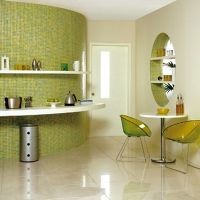
The so-called kitchen apron – the work area in the kitchen – becomes a place where neatly laid out small glass squares immediately attract the eye. Mosaic in the interior of the kitchen is the main detail that becomes the hallmark of the room.
Thanks to the wide variety of colors and materials, you can invent and create both real panels, and, being conservative in your preferences, make a choice in favor of abstraction and patterned designs. In addition to its obvious external properties, the interior of a kitchen with mosaics will delight you with its functionality. First of all, we are talking about the features of a material that is wear-resistant and resistant to mechanical damage. Also worthy of attention is the fact that the seams at the joints, unlike tiles, are not visible, and the need for grouting them disappears by itself.
Types of mosaics
Today, having decided to decorate your interior in such a rich and elegant way, it is important to first decide on the material, which in turn can be:
- glass;
- mirrored;
- ceramic;
- stone.
While the last option can be classified as rare, all the others quite often become harmonious solutions for the premises of a house or apartment.
Glass mosaic in the interior it can be different in shape and endless in color. Squares, rectangles, diamonds, triangles, matte and glossy shades of the entire diverse palette allow you to come up with interesting combinations. Glass is also a fairly strong and therefore durable material that can remain the main decoration of a room for many years.
Regarding mirror mosaic in the interior, then it may well serve as a decorative decoration, for example, for a bar counter, table top, or become an excellent replacement for traditional glass in a door.
Finally, the unique appearance of walls and floors will be created ceramic mosaic in the interior, and thanks to the existing options for effects (stylized cracks and coatings of different shapes), maintaining the individuality and exclusivity of the room will not be difficult.
Mosaic is appropriate in any room
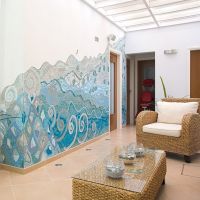
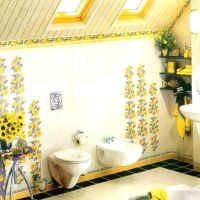
Thinking about the design of a bathroom and reviewing an endless number of catalogs, the owner of a house or apartment often opts for mosaics, which somehow especially builds up the space. The interior of a bathroom with mosaics can be done either completely or partially. However, it is important to take into account that in the case of an absolute mosaic laying of the walls and floor, the cost of the work will be very impressive, and it is important not to make a mistake when choosing a master who knows how to professionally lay out the entire perimeter. That is why, wanting to save money, many owners of their homes prefer either an option combined with tiles, or a partial installation of certain patterns related to the marine theme.
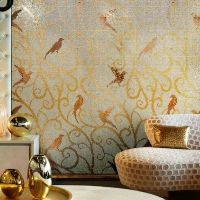
The bathroom and kitchen are far from the only rooms that are ready to happily accept this original technique. Thus, mosaic in the interior of the living room can exist in individual details and pieces of furniture – a fireplace, window sill or coffee table. It is perfect for updating and starting a new life for old, vintage things – vases, boxes, watches. The mosaic in the interior of the hallway looks no less interesting. Present in the lining of a chest of drawers, decorating the borders of a door arch or simply decorating a wall with an independent panel, this technique, which has stood the test of time for centuries, continues to remain relevant to this day.

|
|
|
|

|

|
|

|

|

