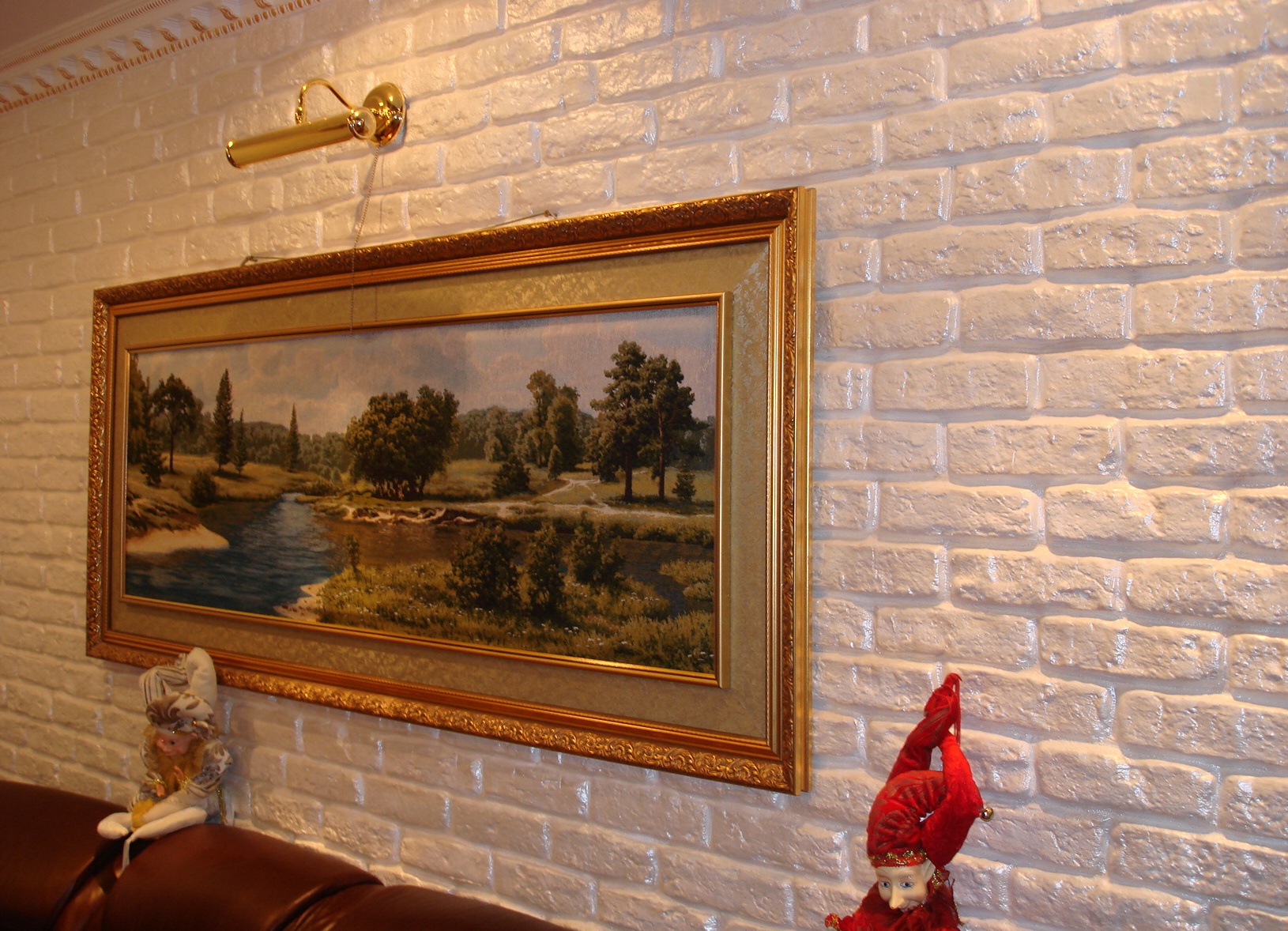
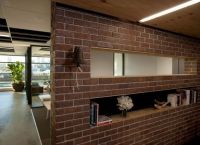
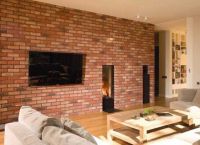
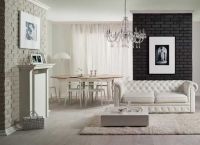
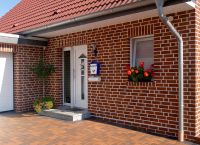
Clinker tiles, which imitate brick very well, are an excellent choice for cladding a house. Not only does it look beautiful, but it also has a number of advantages that you need to know about when choosing material for decorating facades.
Brick facing clinker tiles: features and advantages
First of all, it is worth dwelling on the advantages of this building material. Firstly, brick-like facade tiles have very low water absorption. Secondly, it is strong and durable, and is also resistant to environmental influences such as precipitation and temperature changes. Thirdly, facing brick tiles can be of a variety of colors and textures, which provides a wide field of activity for decorating a home. The fourth advantage is that this material is resistant to bacteria, fungus, mold and moss, which is very important for facing tiles. And fifthly, it requires virtually no maintenance.
It should be noted that the cost of such facing material as brick-like clinker tiles is considerable. However, the costs will definitely justify themselves, because this material is so durable that it can serve as cladding for a house for a long 50 years. The housing, at the same time, will have a very beautiful and presentable appearance.
What are clinker tiles made of? It is a combination of shale refractory pure clay and a chemical composition that does not contain salts or calcium carbonate. This type of tile is fired at a temperature of 1300°C, which ensures its strength and low level of water absorption. For comparison, this firing temperature is 300°C higher than that of ceramic products.
Initially, clinker tiles have a yellow-brown color, but you can choose from a variety of shades obtained by mixing dyes. This material will be ideal for cladding any home.
|
|
|
|
|
|

|
|
|