
Life in a hostel differs from home comfort. Here you have to adapt to the conditions of limited space and divide a room with neighbors. But even in these conditions, you can find a balance between convenience, practicality and aesthetics. How can this be done, we will tell in the article.
Content:
- Zoning of space
- Furniture
- Organization of storage
- Color palette and materials
- Materials
Even in conditions of limited space, you can decorate the room beautifully and conveniently.
Zoning of space
Rooms in hostels are provided at the rate of at least six square meters of living space per person. Typically, two or three students live in such rooms. That is, the area of the room in the hostel is about 12-18 squares. Given the small size of the room, it is important to rationally use every square meter.
The space for each student should be divided into several functional zones: the working area, the recreation area and the sleeping area.
The working area needs to be organized so that it is comfortable to engage in it. For each you will need a convenient table and chair, as well as lighting for evening classes. It is better to choose a table with additional shelves and boxes for storing textbooks, notebooks and stationery:
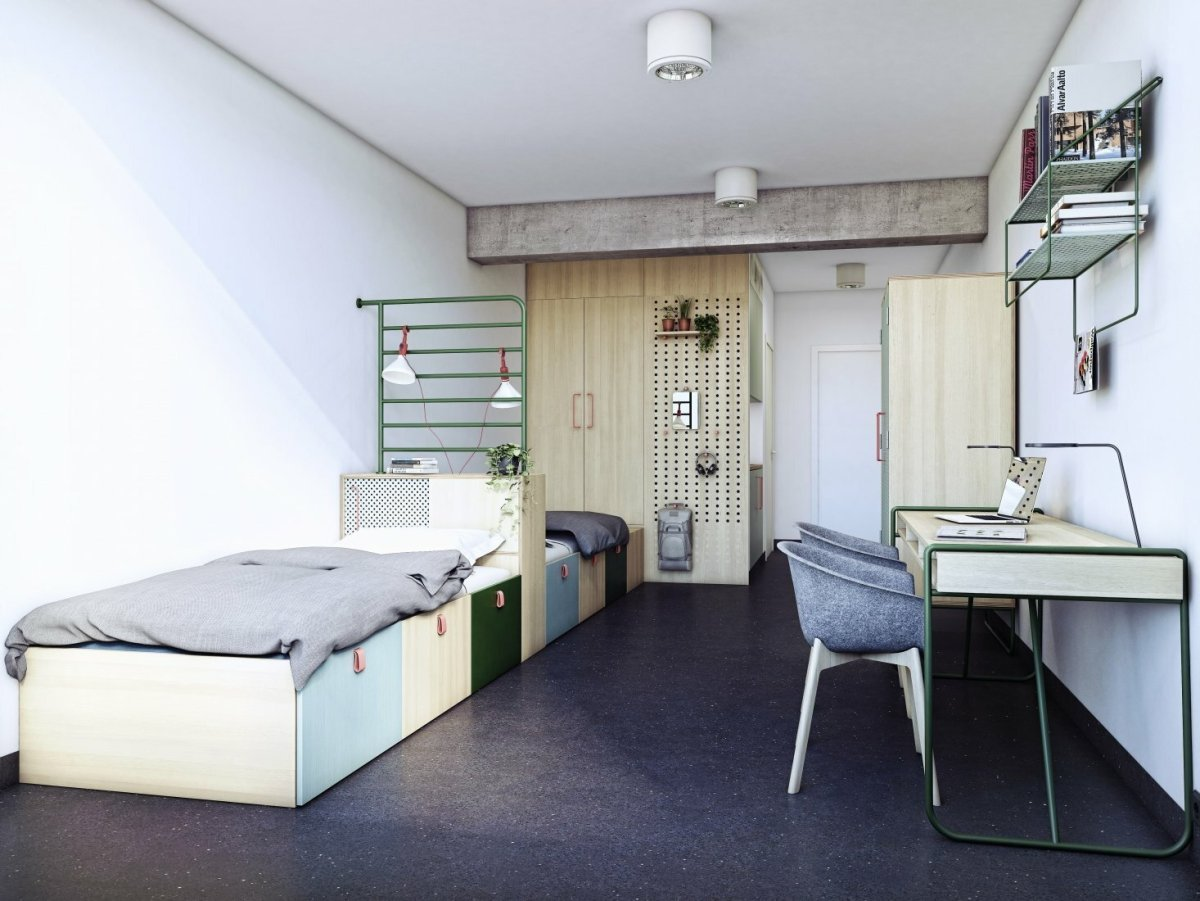
The sleeping area should be as convenient and comfortable as possible, because a healthy sleep is the key to a successful day. You can choose a convenient compact bed and think through storage systems under it to save space.
But the recreation area can be organized one for all. In it you can put soft chairs or a small sofa on which you can relax, read a book or chat with neighbors.
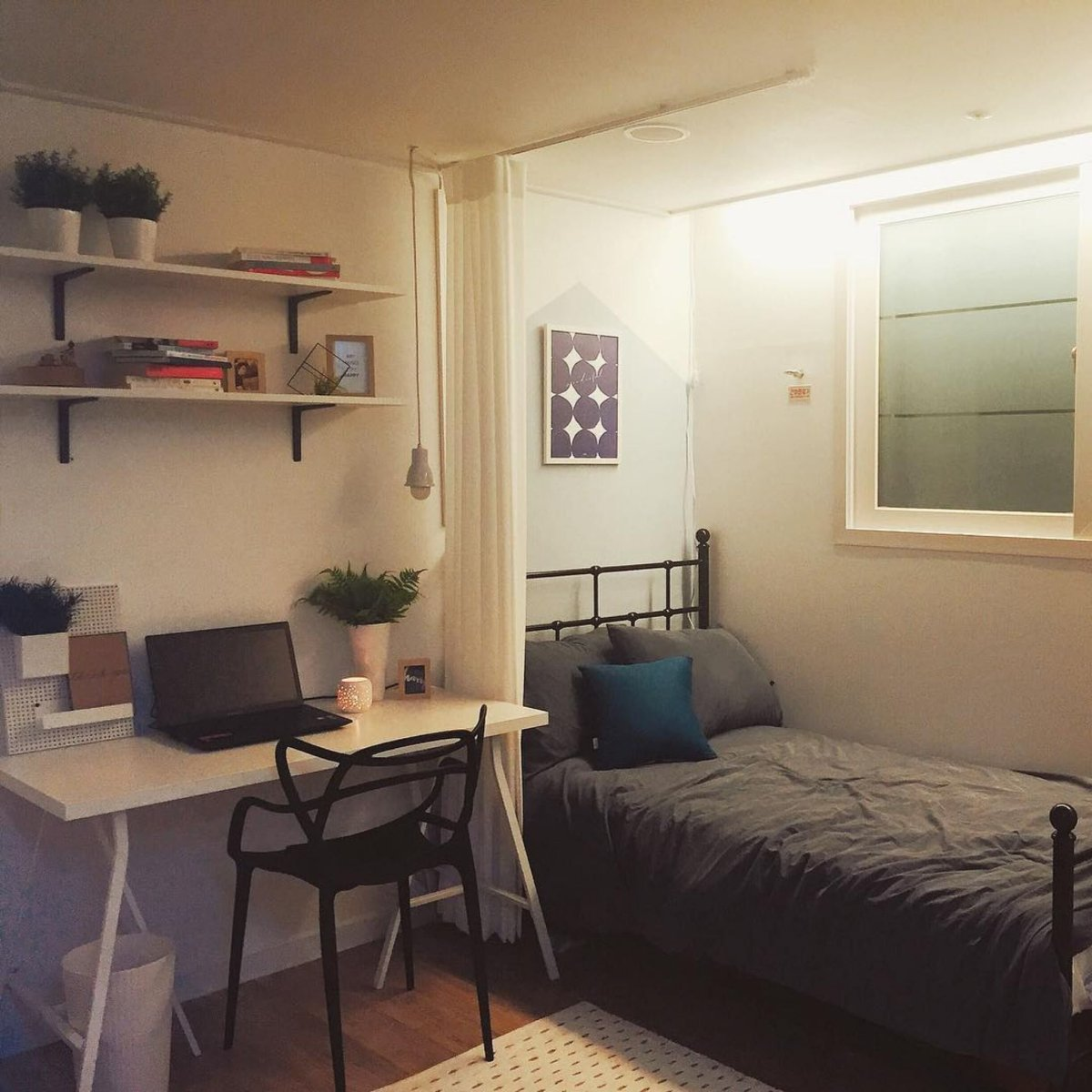
Another important point is to ensure privacy. To hide from the eye of a neighbor, you can separate the sleeping area with furniture or screen. To separate the personal space of each student, you can use high racks or cabinets. Such furniture elements not only create a clear boundary, but also an additional place for storage.
Mobile screens are also suitable for this task. They create a feeling of privacy and are easily removed when it is required to combine the space.
Photo: sleeping area can also be separated by a curtain of light fabric
Furniture
For a dorm room, you need to choose compact and multifunctional furniture. The simplest example is a folding sofa. It is suitable for sleeping in the unfolded form, and in the folded one it can be used for relaxation and reading.
Written tables and workplaces in the rooms of the hostel need to be considered with particular care. A compulsory element is a convenient and wide enough table for training materials and a computer. Also, a comfortable study will need an ergonomic chair with support for the spine.
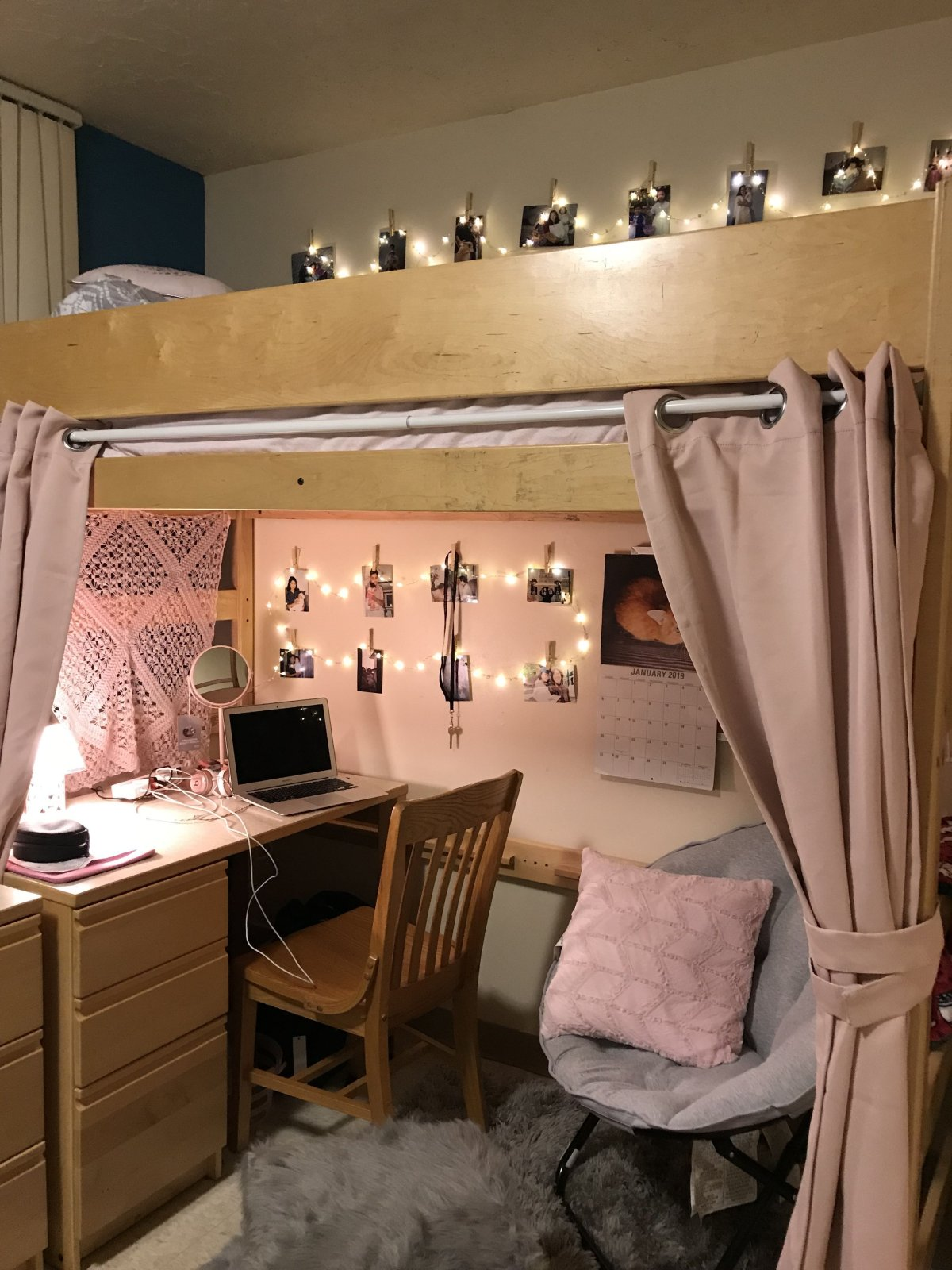
Cabinets and chests of drawers should be quite spacious, but not to take up too much space. For example, you can install high cabinets to use the vertical space of the room. This is especially useful in conditions when every square meter on the account. Suspended cabinets and shelves are another good option for storage.
Photo: A attic bed helps to save space and ensure privacy
Organization of storage
The organization of storage in the hostel room allows you to effectively use limited space and maintain order.
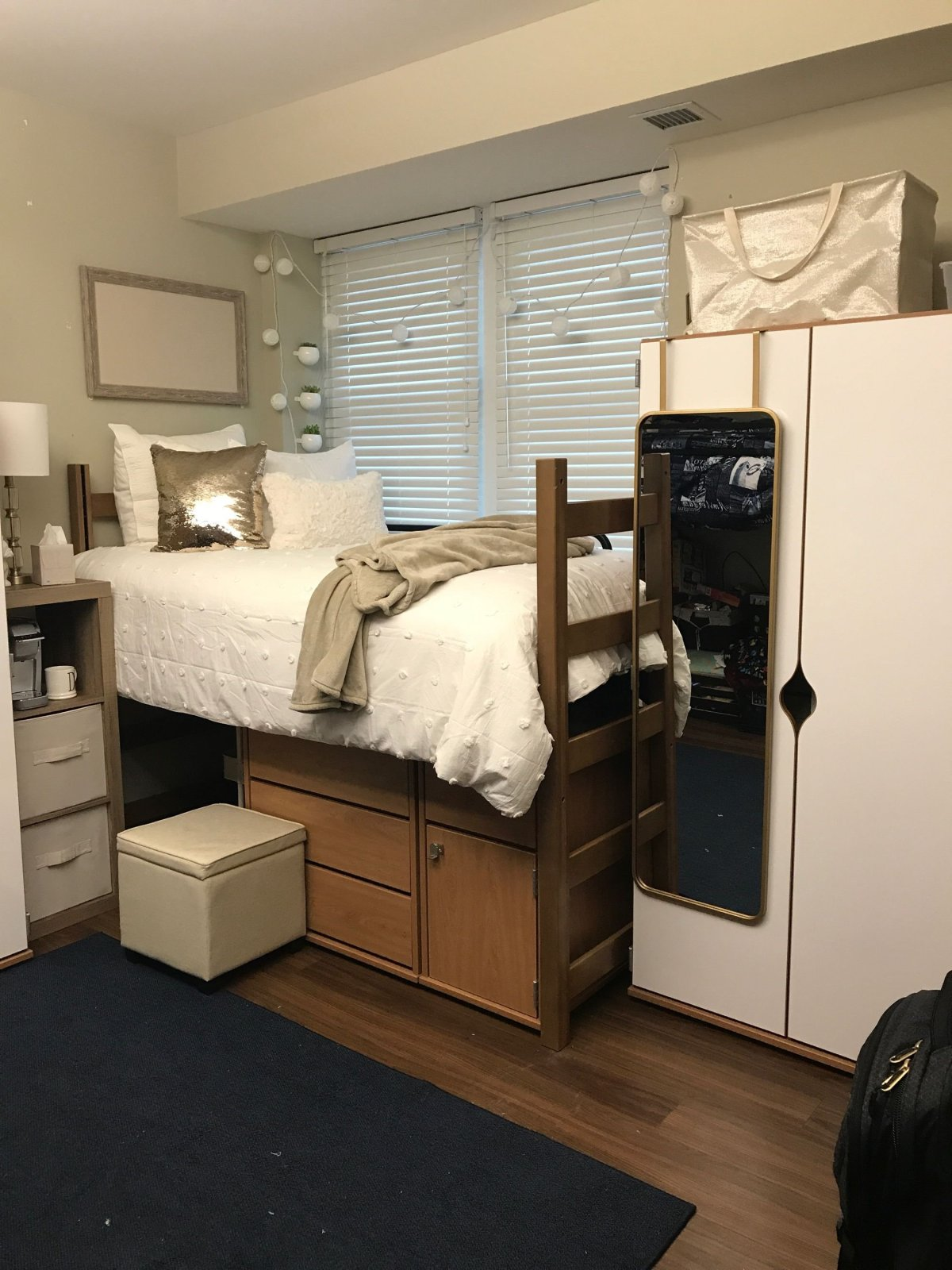
First of all, pay attention to the space under the bed. This is a great place for placing boxes, containers and baskets in which you can store seasonal clothes, shoes, bedding and other things that are not used daily. So you can free cabinets for more frequently used items.
Photo: an example of organizing storage under the bed
Cabinets and chests of drawers in the dormitory room should be as practical as possible. It is important to choose models with many shelves, boxes and sections so that each item has its own place.
Inside the cabinets, you can use additional organizers and dividers to optimize storage and maintain order. To store small items, such as accessories, cosmetics or training materials, you can use small boxes or baskets that are easily placed on shelves.
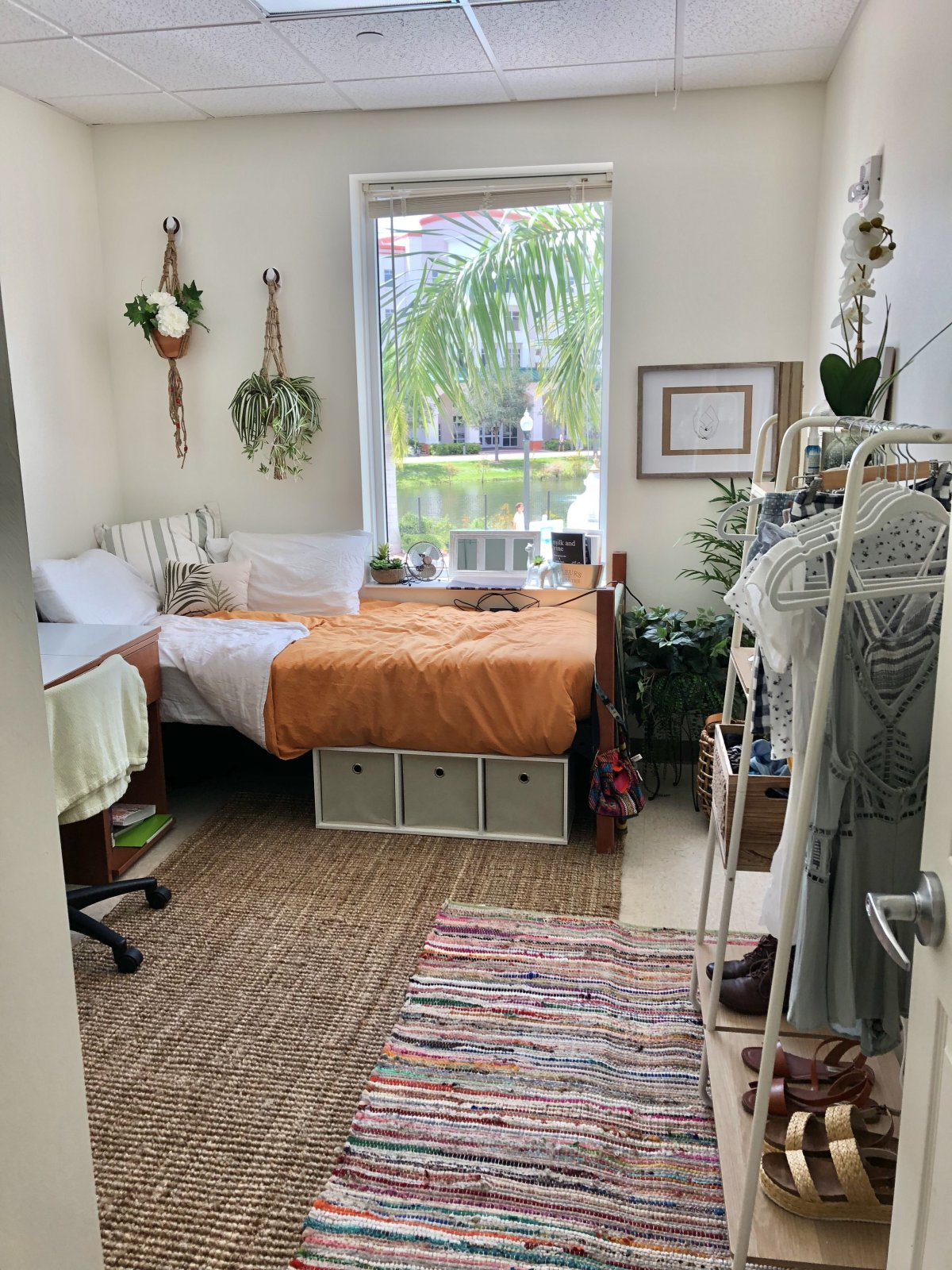
Shelves and racks allow the use of walls to accommodate books, educational materials, decorative elements and personal belongings.
Shelves can be open or closed. Open shelves create a feeling of lightness and spaciousness, but require maintenance of order. Closed cabinets and shelves hide things from the eyes and have a more accurate look.
Photo: open shelves look very stylish, but require constant care: dust often accumulates on them
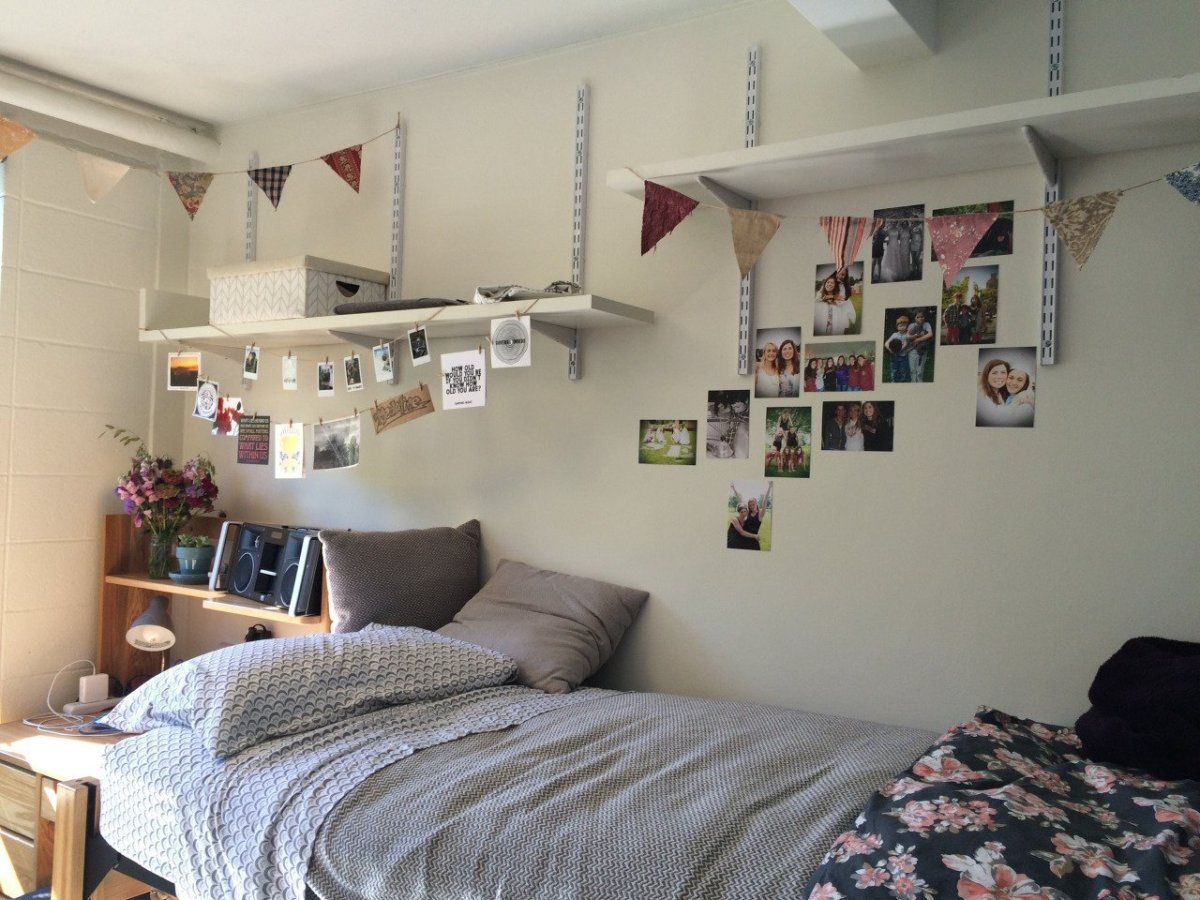
For storage of small items and stationery, you can use table organizers, boxes and baskets. It is convenient to place such organizers on the desktop or in boxes so that all the necessary things are at hand.
For a hostel, the use of various suspended systems is very helpful. For example, special hooks and pockets that can be placed on the doors, walls or side surfaces of furniture. Such systems allow you to store small objects, without occupying additional space on the shelves and tables.
In the recreation area and sleep, you can put bedside tables with boxes and shelves where you can store books, charger, personal items and other items necessary before bedtime. If the room has a sofa or chair-bed, you should choose models with additional boxes for storing bedding and other things.
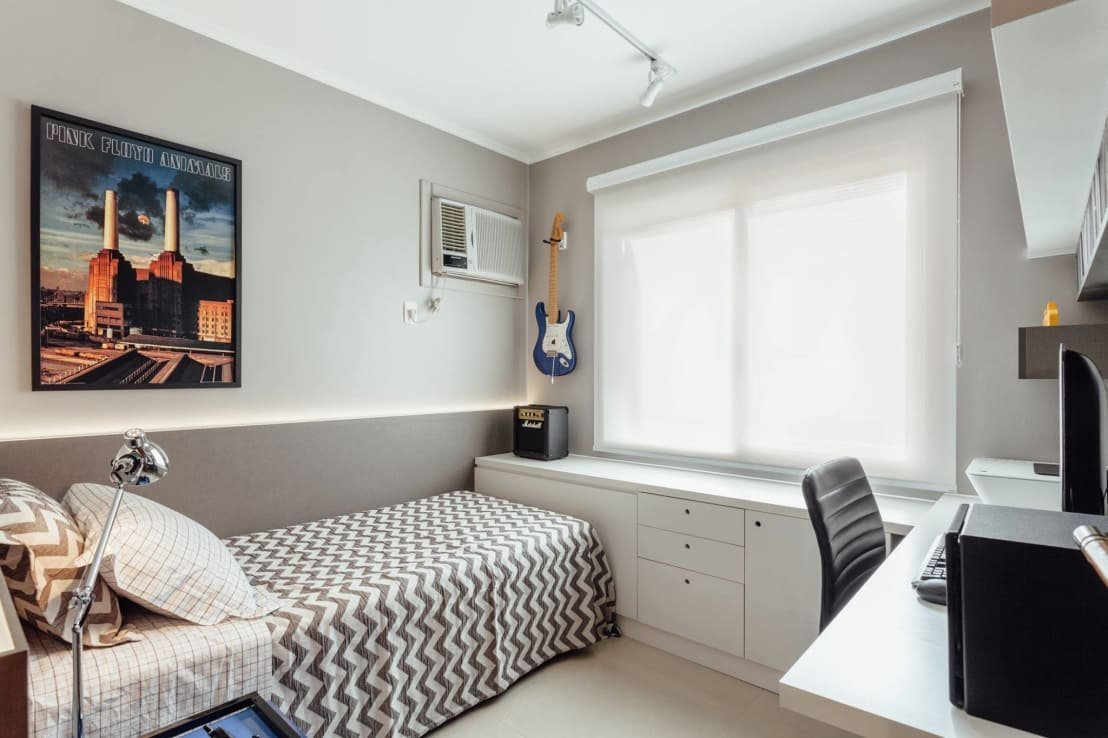
Photo: the area under the window can also be used for storage
Color palette and materials
The color palette is also important. The correct choice of colors can affect the perception of space, its comfort and the mood of the residents. To create a cozy atmosphere in a hostel, it is worth giving preference to neutral and calm shades, such as beige, light gray. So you can use other pastel colors and soft natural colors. These shades contribute to the creation of a relaxing environment and visually expand the space, which is especially important in a small area.
Photo: a room in a hostel in light neutral colors
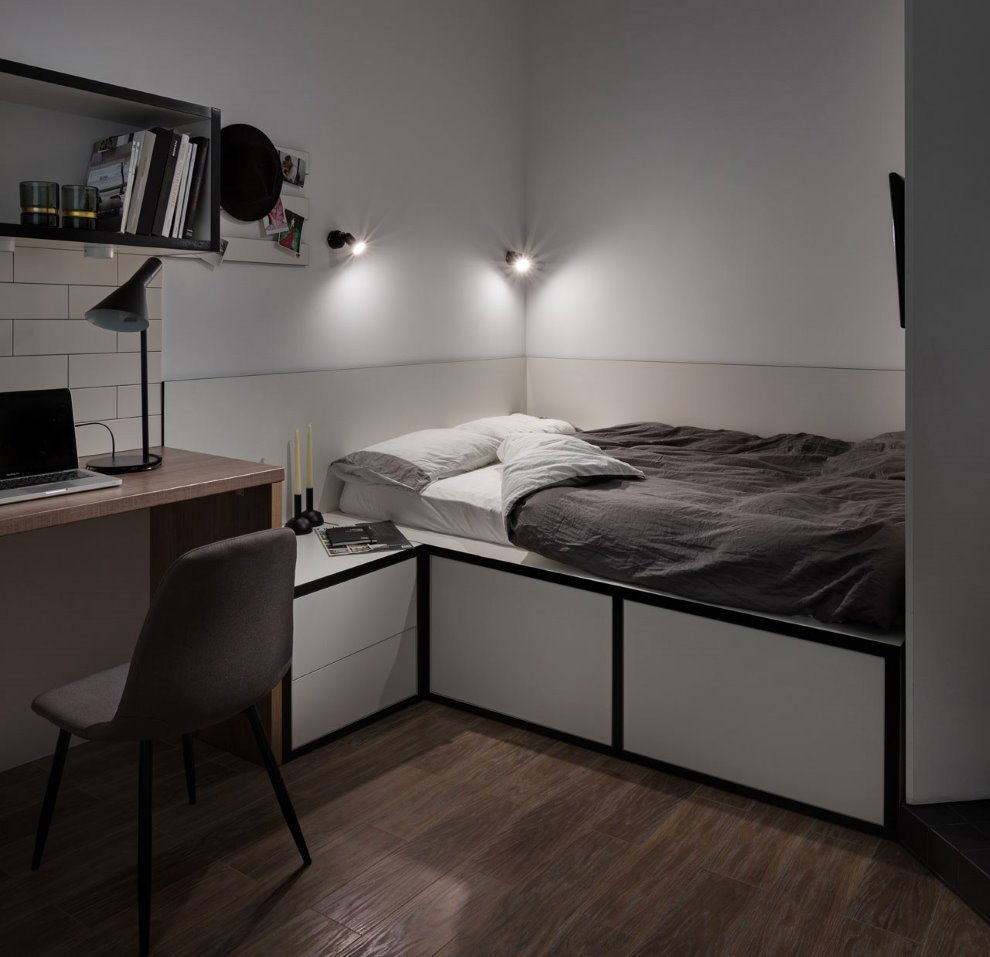
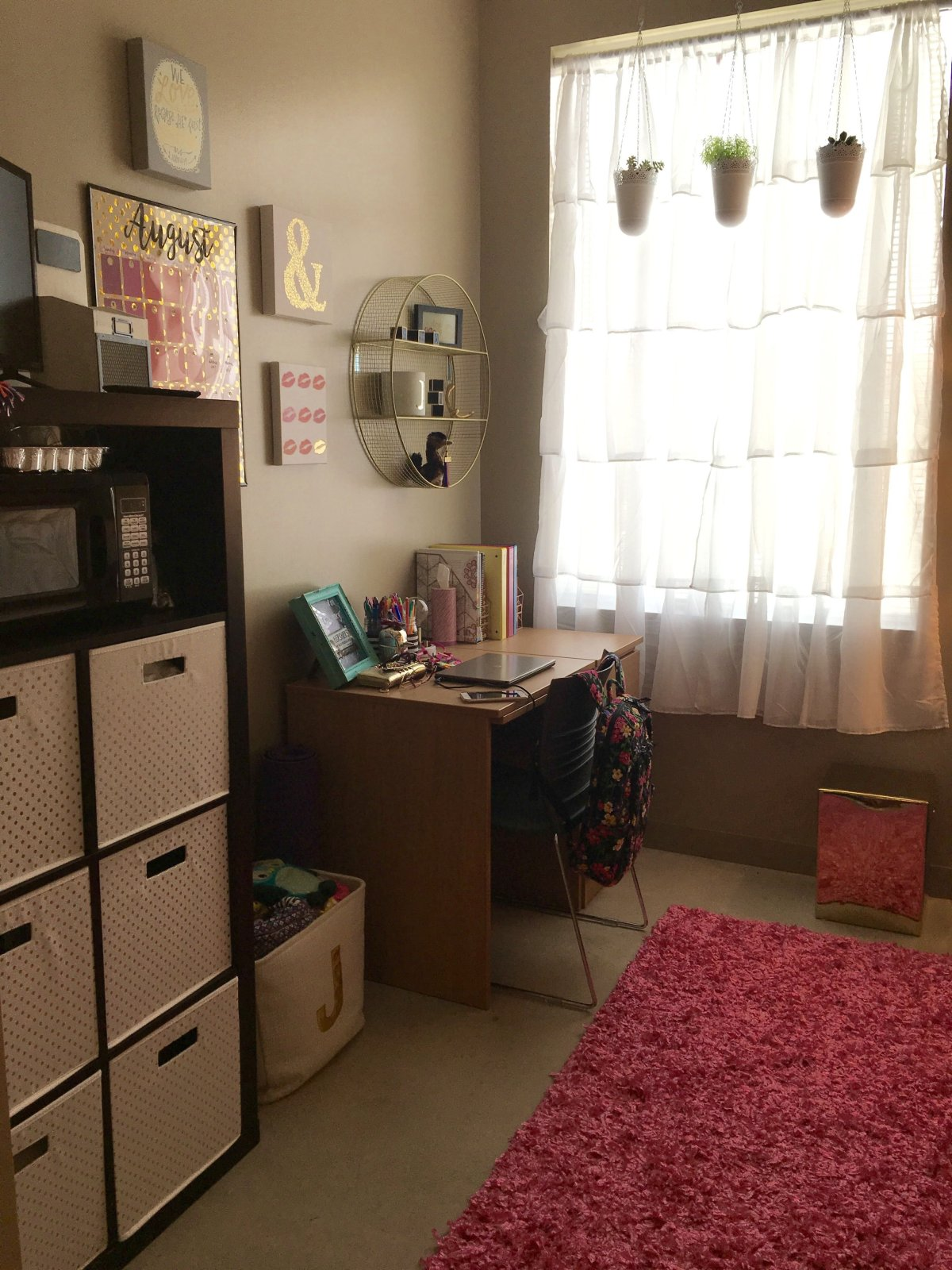
In addition, neutral colors are an excellent background that can be easily revived with bright accents and decorative elements. Bright pillows, bedspreads, curtains or carpets will add individualities and speakers to the interior without overloading it. It is important to remember that color accents should be used in moderation so as not to create a feeling of chaos and overload.
Personal preferences of residents and their lifestyle also play an important role in choosing a color palette. Students who spend a lot of time after studying can prefer calm and concentrating colors, such as green and blue, contributing to concentrations and a decrease in stress. Creative individuals can choose brighter and more saturated shades to stimulate creativity and inspiration.
Photo: an example of a bright interior of a room in a hostel
Materials
Students lead a very active life. Therefore, for decoration and decor, it is important to choose wear -resistant and easily washing materials that can withstand daily loads and at the same time will retain their original appearance.
For furniture upholstery, fabrics with high resistance to abrasion, for example, microfiber or synthetic tissues, which are easily cleaned and retain their shape and color, are suitable.
To cover the floors, it is better to choose materials that are easily washed and resistant to damage. Laminate, vinyl coatings or ceramic tiles are an excellent choice for hostels. These materials are not only durable, but also easy to care for, which is especially important in conditions of limited time among students.
The walls and ceilings in the rooms of the hostels should also be finished with materials that are easily cleaned of pollution. Washing wallpaper or water -based paint is an ideal solution. They allow you to quickly and without much effort to maintain cleanliness and order.
When choosing textile elements, for example, curtains, bedspreads and pillows, you should give preference to materials that are easily erased and do not require complicated care. Cotton and synthetic fabrics are best suited. These materials are not only practical, but also help create a feeling of comfort and home warmth.
Conclusion
Proper zoning and rational use of space will help create a comfortable and convenient place for life and study. The choice of furniture for a dorm room requires a thorough approach and accounting for all the features and needs of residents. Multifunctional and compact pieces of furniture will help create a comfortable space where it will be nice not only to study, but also to relax.
An effective organization of storage in the hostel room also requires a special approach. Use various solutions that allow you to use the available space as efficiently as possible. Multifunctional furniture, shelves, organizers and suspended systems will help create a convenient and organized space, where all things will be in their places and always at hand.
The choice of color palette and materials for the interior of the room in the hostel requires the accounting of many factors, such as comfort, practicality and durability. Neutral and calm shades will create a cozy atmosphere, and wear -resistant and easily washing materials will provide a long service life of furniture and finishes, which is especially important in the hostel.
Floor screed calculator

