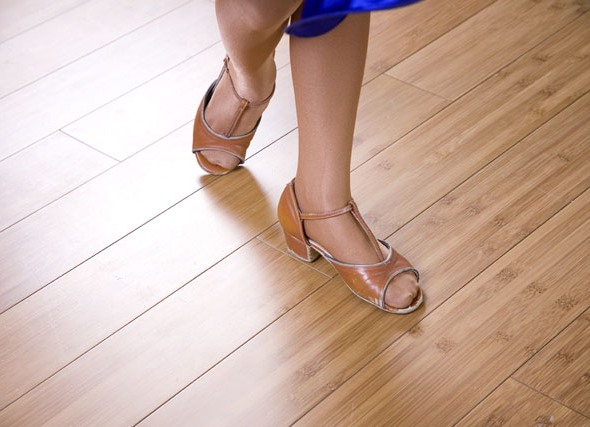
Wooden parquet boards are an expensive pleasure that not every mediocre person can afford. It is made from solid wood and is a completely environmentally friendly material. This is reflected in the cost of parquet, which is the highest among all floor coverings. Before choosing a parquet board, you should familiarize yourself with all the necessary criteria, from the type of wood to the size and structure of the panels. We will tell you more about these and some other properties of parquet below.
Parquet design
The main indicator of the beauty of a parquet board is the number of lamellas in the top layer. According to it, all models can be classified as follows:
- Parquet board 1-strip. This model is also called Full Plank. The front layer consists of one row of strips, not divided into segments. This is a solid section of the massif, the beauty of the wood structure clearly stands out on it. Single-strip parquet boards with a chamfer look stylish in the interior of a bedroom or living room.
- Two-strip parquet board. The top is made up of a pair of fitted dies, which can be solid or segmented. A board with short slats is suitable for small rooms, while a board with elongated slats is suitable for large areas. Panels made of two segments interestingly convey the structure of wood and give the room a solemn look.
- Three-strip parquet board. Consists of three rows of lamellas, slightly offset in length. The pattern of this board is most often displayed on natural parquet and is quite bright and unusual. Wicker, herringbone and checkerboard prints have become very popular.

|

|

|

|

|

|

|

|

|
Quality parameters
When choosing parquet, pay attention to the maximum width. It displays the strength of the locking connections. If the coefficient is small, it is not recommended to place heavy objects in opposite corners or walls of the room, as the locks may come apart. High-quality parquet should have a parameter of 15-17 meters.
In addition, pay attention to the parameter of the maximum permissible unevenness of the base. It shows the strength of the connection between the layers of the board and the quality of the glue that was used. Ideally, this figure should be +3 mm per 2 meters of length.
An important element of parquet design is the type of wood used. The most popular options are:
- Oak. This wood is considered ideal for making parquet. It does not wear out and is not susceptible to changes in humidity and temperature. Natural brushed oak gives the parquet boards relief and emphasizes the structure of the wood, while matte varnished oak accentuates the color of the parquet. A parquet board with a “white oak” shade, which is obtained by coating wood with white oil, looks interesting.
- Beech. It has calm light colors, so it is suitable for small rooms. The Brinell hardness of beech is higher than that of oak (3.8 versus 3.7), but the stability index is very low (1 versus 4). This means that beech parquet boards may begin to deform due to changes in temperature/humidity. With it you need to try to maintain a constant microclimate in the room.
- Bamboo. An exotic material that has been used for flooring. Light bamboo parquet boards look great in small spaces, as they significantly expand the room. When laying bamboo flooring, it is important to monitor the direction of the fibers in the plank. They must be transverse or longitudinal. Combination is not allowed.
- The assortment also includes parquet from cherry, walnut and maple. Depending on the type of wood, the parquet board can be gray, reddish or even golden-orange.

|

|

|

|

|

|

|

|

|