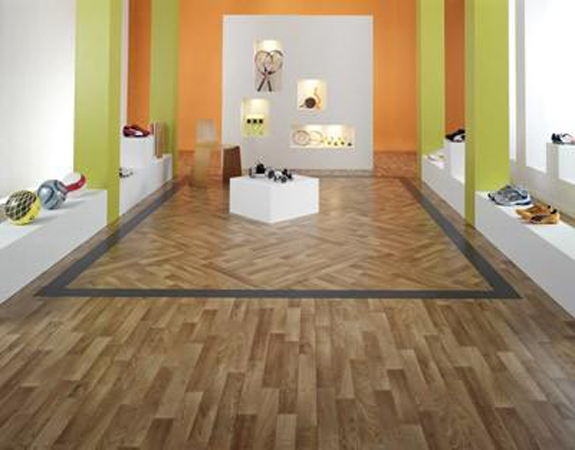
Natural linoleum is one of the oldest and most environmentally friendly materials for flooring. It is also a representative of strong, durable materials, has low flammability, is resistant to rubbing, resists acids and alkalis, is antistatic, and has a long service life. It practically does not wash out, does not fade, does not crumble, and is not spoiled by an unpleasant odor. It does not lose its original color for a long time, the “viability” period reaches 20 years or more.
However, we are accustomed to calling linoleum an elastic polymer synthetic material, which is an artificial analogue of the natural one. But this is far from true. Oleum lini is the Latin name for linseed oil, which gave its name to this type of floor covering. This linoleum is made from natural materials: cork, wood flour and resin, chalk, linseed oil, and various dyes. This composition is applied to a base made of jute fiber or non-woven fabric.
Application of linoleum
Previously, linoleum was produced in one color – brown, from a mixture of its constituent components. Nowadays any pattern is applied to linoleum, textures like wood, marble, and tiles are produced. Naturally based linoleum is considered a material harmless to human health, therefore it is widely used for flooring in houses, apartments, as well as in hotels, medical institutions, kindergartens and other public places.
For many decades now, natural linoleum for the kitchen has been one of the best and most sought-after floor coverings. For use in the kitchen, it has great advantages over other materials – it is easy to care for, it is very wear-resistant, has good heat and sound insulation and has a presentable appearance.
Linoleum with increased wear resistance
There is also a concept – natural commercial linoleum. This type of linoleum has excellent resistance to wear, is much “healthier” than artificial, is produced in different thicknesses and is produced mainly in rolls, but some collections are presented in the form of tiles.
Commercial natural linoleum is mainly intended for high-traffic areas – in schools and preschools, offices and hospitals, and train stations. There are two types of commercial linoleum: homo- and heterogeneous. They differ both in appearance and composition. The first one is single-layer, with the addition of lime, and requires mastic coating and careful maintenance. The second type is heterogeneous – multi-layered, produced with the effect of a three-dimensional pattern, it does not require special attention, it is enough to wipe it with a damp cloth.
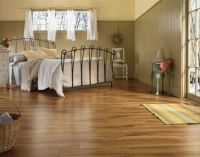
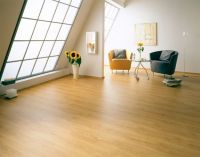
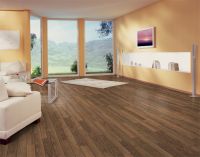
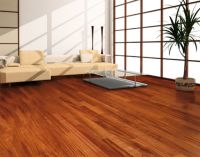
Modern linoleum manufacturers offer a wide selection of colors and patterns to match stone and wood. Natural linoleum with a wood pattern looks very expensive and respectable, and the relief pattern looks very realistic. The wood-look linoleum design creates a warm and sunny atmosphere.
How to choose linoleum and distinguish natural from synthetic? It’s quite simple – you just need to smell and compare: natural linoleum smells like resin, and artificial linoleum smells like chemicals.
Laying linoleum
We prepare the base for laying natural linoleum; it must be dry, smooth, clean, monolithic and moisture-absorbing.
Then we apply glue to the linoleum, lay it on the floor and thoroughly wipe it with a board covered with carpet.
This is how you can briefly describe the process of laying natural linoleum at home.
|
|
|
|
|
|

|

|
|