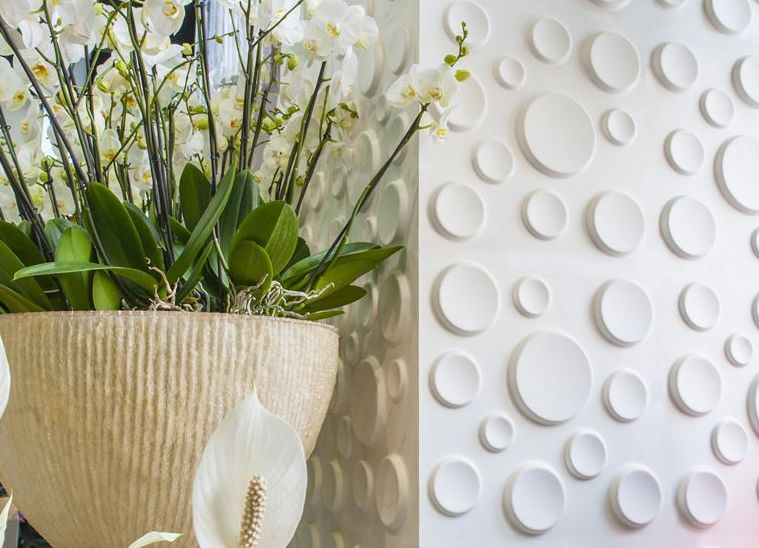
Polyurethane has become a real godsend for the building materials market. This is due to such advantages of the material as:
- cheapness;
- ease of installation;
- light weight;
- wear resistance;
- environmental safety;
- frost resistance;
- high thermal insulation properties;
- duration of operation;
- resistance to moisture penetration.
In addition, there are many options for decorating polyurethane panels. All this allows the use of such a universal material in a wide variety of areas of finishing work.
Ceiling polyurethane panels
Polyurethane panels have become simply an indispensable material for quickly finishing ceiling surfaces. Working with these slabs does not require special skills and abilities, and due to its elasticity, polyurethane will help hide all unevenness and defects in the ceiling. In addition, unlike any other finishing methods, after the installation of polyurethane panels is completed, the room will be clean and dust-free.
Decorative polyurethane ceiling panels will be an excellent decoration for interiors of many architectural styles. The original and sophisticated design of the ceiling surface is the hallmark of such styles as Baroque, Art Nouveau, and Empire. For a classic or modern interior, you can also choose the appropriate decor for the ceiling tiles.

|

|

|
Polyurethane wall panels
It is even easier to install polyurethane boards on walls than on ceilings. But in addition to decorative finishing, polyurethane wall panels can be used as independent panels or the basis for stucco molding.

|

|

|
And stone-look polyurethane panels will fit perfectly even into an expressive Art Deco interior.

|

|

|
Polyurethane facade panels
Polyurethane is particularly functional and practical, which allows it to be used not only indoors, but also for exterior decoration of buildings. It does not change color over time and is not attacked by insects, which makes it even more interesting for exterior cladding. Decorative polyurethane thermal panels are also used for external insulation. Their widespread use in architecture of various styles is ensured by the ability to imitate natural materials: red or white brick, dark sandstone, gray rock, tinted facing stone, etc.

|

|

|
From all of the above, it is clear that it is not for nothing that a lightweight, durable, safe, inexpensive and multifunctional material is gaining increasing popularity in the building materials market.