111
When choosing flooring, we usually look not only at the price, but also at the appearance of the product. Sometimes visually we are satisfied with everything, but in practice it turns out that the coating does not meet the requirements. In order not to make a mistake in choosing a carpet, it is important to know about its types and properties, which depend on several characteristics. We will get acquainted with them in this article.
What kind of carpet is there?
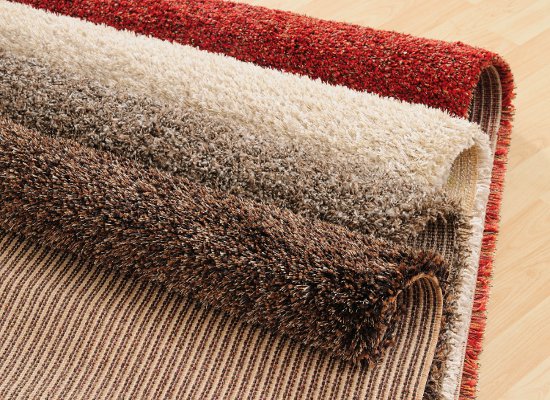
All types of carpet are conventionally distinguished depending on the materials used, the type of pile and the manufacturing principle. Let’s consider what kind of carpet there is, according to these criteria.
- Depending on the materials and properties used, there are synthetic and natural types of carpet. The latter, in turn, can be made from fibers of animal or plant origin. These coatings retain heat well, but their wear resistance is quite low, and if there is humidity, mold may appear in the apartment. As for synthetics, they will last much longer and will not accumulate bacteria. The best option is nylon pile; it will last a very long time and in appearance cannot be distinguished from natural material.
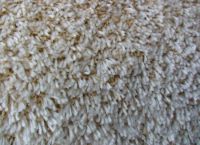
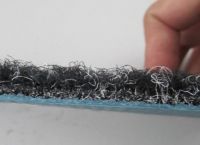
- Based on the type of pile, we can distinguish types of carpet with long or short, thick or sparse (the denser the fibers are, the higher the strength of the coating) fibers. There are also loop and pile types: in one case the loops are left, and in the second they are cut.
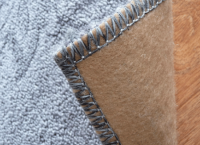
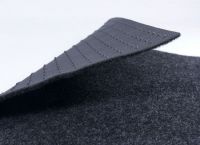
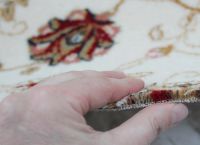
- Floor coverings such as carpet are divided into types, depending on the production method. There are woven (knots are tied on a strong mesh base), tufted (a needle inserts yarn through the mesh to a given height, and the reverse part is sealed with latex), needle-punched (very similar to felt, the needle pierces the fibrous base and intricately interweaves the fibers), flocked (using an electrostatic field, a pile is applied to a PVC base, this type is characterized by increased strength).
|
|
|
|
|
|
|
|
|