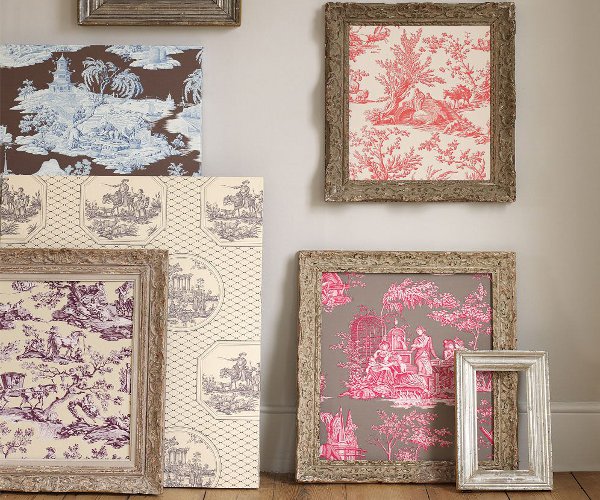
A fashionable and very convenient way of covering walls with canvases with different patterns and textures is not just design know-how. This is a real way to make a room pleasing to the eye and at the same time use additional methods of dividing the space into separate functional areas. Below we will look at how to combine wallpaper in different rooms and do it correctly.
How to combine wallpaper: basic rules
First of all, let’s outline a few basic rules of work. Simply pasting two different rolls of wallpaper is not enough, because everything is much more complicated here and you will have to work not only with color and patterns, but with several techniques.
- Extremes and obvious contrast are not the best option even in large, spacious houses. The combination of black and white or other opposite colors is too bright and you will get tired quickly in such a room. This rule works when you are going to combine photo wallpaper with wallpaper, since here the emphasis is on one wall. It is better to opt for a slightly blurry pattern in soothing colors and decorate the remaining walls with plain wallpaper.
- The classic rule regarding the choice of shade also applies when combining. The smaller the size of your room, the lighter the wallpaper should be.
- The selection of ornaments is an even more difficult moment. Small patterns look good in small rooms, but large patterns are visible from a distance. Try to stick to the golden rule: when you can’t match a pattern, just choose wallpaper that matches the pattern. But it’s better to leave the selection of two different designs to the designers or look it up on the Internet.
- The location of the room dictates the choice of colors. If it is a bright and always sunny room, you can cool it with wallpaper in blue, greenish and gray shades. In the northern part of the apartment, it is worth combining wallpaper with flowers on a warm pastel background, as this will warm it up a little and brighten it up.
How to combine wallpaper in different rooms?
Now it’s time to look a little more closely at each specific case. The techniques remain the same, the combination methods are standard (vertical, horizontal or insertion techniques), but there are also some nuances.
First of all, we will look at how to combine wallpaper in the living room. The combination of patterns and gluing method primarily depend on the chosen style. Most often the hall is decorated in a classic style. For this design, the best solution would be to combine wallpaper horizontally in the living room, since the result is as close as possible to the design of the old days. If previously they used wooden panels, now they are simply limited to moldings and dark wallpaper along the lower edge.

|

|

|
Next, a few words about how to combine wallpaper in the hallway. In this case, the horizontal method works regardless of the selected style. The light upper part will visually brighten a narrow, darkened corridor, and the dark lower part is practical from the point of view of increased pollution. The insertion method also works great. Using foam moldings, small areas are identified on the wall (much like picture frames) and a brighter, more active pattern is used inside. You can combine wallpaper vertically in the hallway only with the correct geometric shape, since long and very dark corridors will look narrow. But with this method, spacious or square hallways are a little longer and the ceilings seem higher.

|

|

|
The most difficult question is how to combine wallpaper in a nursery. It is clear that here the choice of patterns and shades is much wider, but it is very easy to overdo it and make the room boring for the baby. It’s best if you choose a pattern in bright, dynamic shades and pair it with either white or very light plain wallpaper. Then the baby will have the opportunity to rest his eyes, and you will have another tool for zoning the space into play and relaxation areas.

|

|

|